



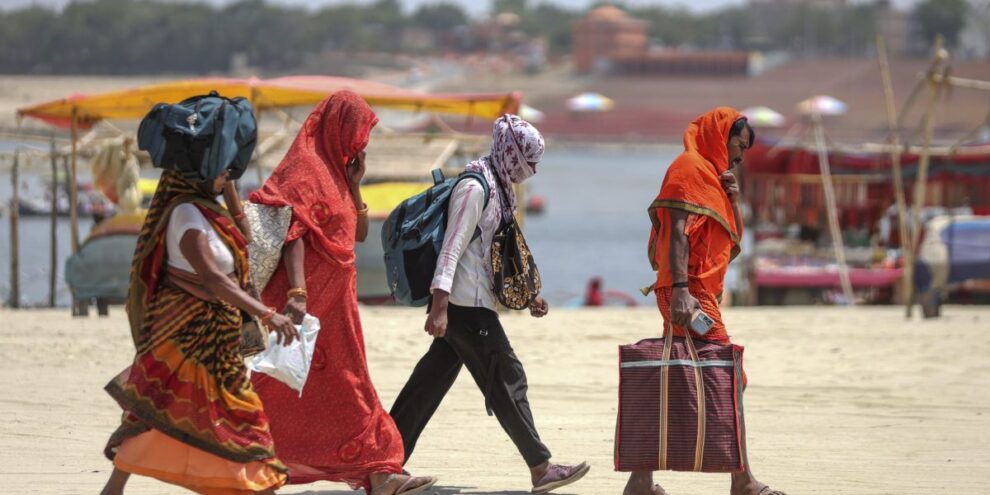

As India becomes hotter, clothing is no longer just a matter of comfort. It is becoming a question of caste, class, gender and survival. Breathable fabrics such as cotton and linen can help people cope better with extreme heat, but for many Dalit families, they remain too costly. Cheaper synthetic clothes are more affordable and durable, but they trap heat, increase sweating and make life more difficult in hot homes and outdoor workplaces.
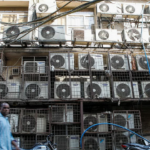
The problem is not only poverty. It is caste inequality made worse by climate change. Many sanitation workers and informal workers from oppressed caste communities work under the open sun, in physically demanding jobs, often without proper shade, drinking water, rest or safe workwear. Their homes are also often crowded, poorly ventilated and unable to protect them from rising temperatures.
Women face another layer of suffering. Social expectations often force them to wear more layers of clothing even during extreme heat. For Dalit women living in cramped houses with little airflow, this becomes an everyday form of climate injustice.
This article shows that the climate crisis does not affect everyone equally. Heat, work, housing, water, wages and clothing are all connected to caste. Climate justice must therefore include caste justice. Safe working conditions, affordable breathable clothing, proper housing, drinking water and heat protection must be treated as basic rights, not luxuries.
🔗 Source: https://thewire.in/environment/as-india-gets-hotter-clothing-adds-a-layer-to-caste-inequality