




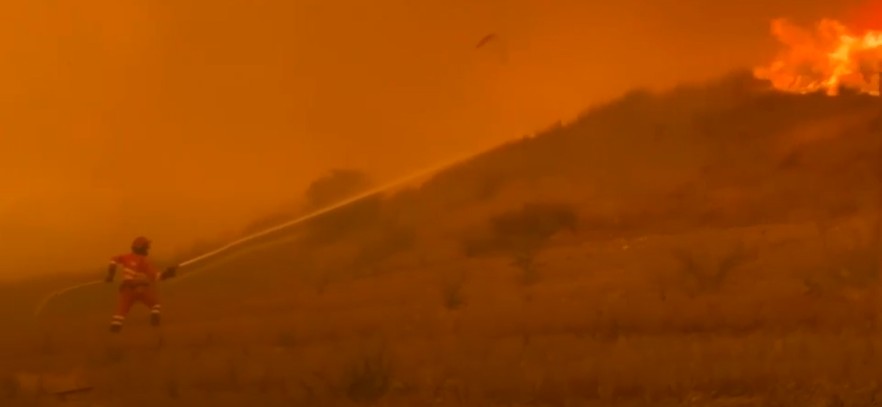

Europe’s latest heatwave may be easing, but its deadly consequences continue. Wildfires, drought, water shortages and violent storms are affecting several countries. In northeastern Spain, a wildfire burned more than 12,000 hectares and forced over 1,000 people to evacuate. Temperatures could again reach 42–44°C in parts of Spain.
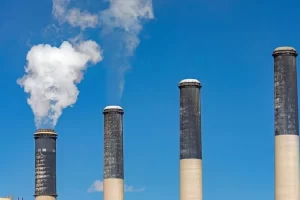
France’s worsening drought is threatening electricity generation because warmer seas and rivers limit the cooling water available to gas and nuclear power plants. Low water levels in Germany’s Rhine have disrupted shipping and increased transport costs. Violent storms have also killed people in France and Germany.
Scientists say human-driven climate change is making heatwaves more frequent and intense. Nearly 10,000 excess deaths have reportedly occurred during Europe’s summer, yet the World Health Organization says governments still treat extreme heat as an ordinary weather event rather than a public-health emergency.
This is no longer a temporary heatwave. It is a chain of interconnected climate disasters exposing the failure of governments to cut emissions rapidly and protect vulnerable communities.