






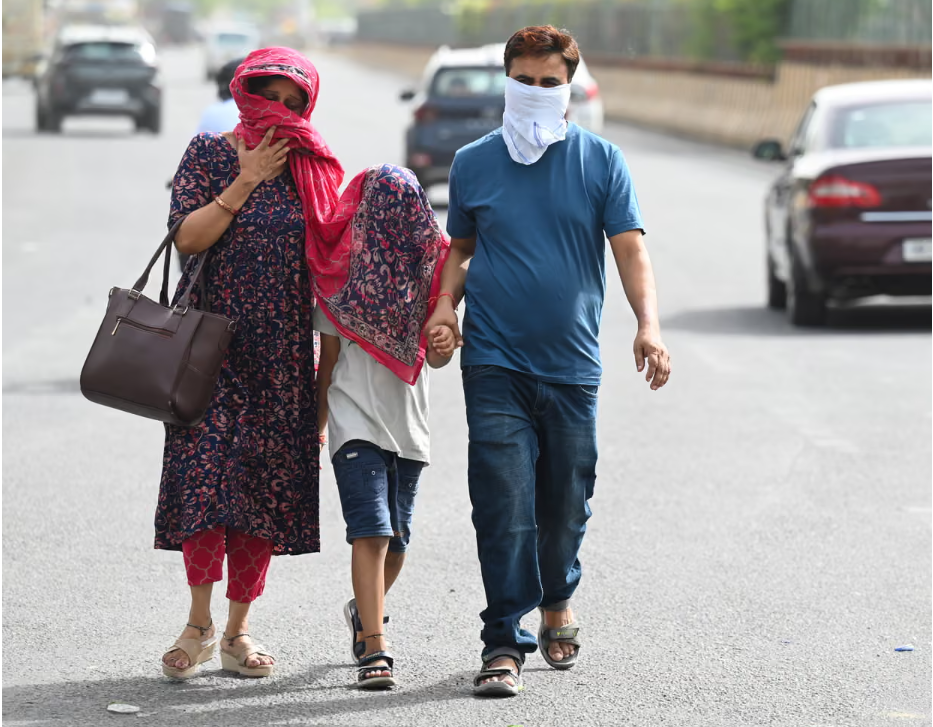

India’s intensifying heatwaves are no longer only a weather problem. They are disrupting education, breaking work routines, and deepening gender inequality. The Guardian reports that schools across Delhi and in about half of India’s states were ordered to close from mid-May until the end of June because of extreme heat. In many families, this has turned homes into emergency classrooms, with mothers forced to manage online classes, childcare, housework and paid work at the same time.
The burden falls most heavily on women, especially working mothers, domestic workers, single mothers and women in informal jobs. Some have quit jobs, some have lost wages, and some are forced into lower-paid or insecure work because schools repeatedly shut without proper planning. This is climate injustice in daily life: children lose education, women lose economic independence, and poor families are pushed closer to poverty.
Heat action plans cannot stop at warnings and emergency closures. India needs climate-resilient schools, safe classrooms, childcare support, worker protection, gender-sensitive heat policies and long-term planning. The climate crisis is already reshaping homes, jobs and futures — one closed school and one impossible working day at a time.