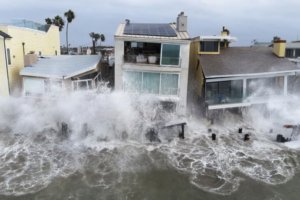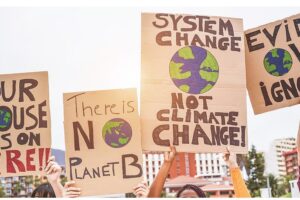








A new UN report has warned that developing economies in the Asia-Pacific region face an annual climate finance gap of nearly USD 800 billion. This is not a small accounting failure. It is a massive political failure at a time when heatwaves, floods, biodiversity loss, air pollution and climate disasters are already hitting ordinary people across the region.
The report calls for “synergistic action” — meaning climate policy cannot remain trapped in separate departments and isolated schemes. Cooling, public health, energy efficiency, biodiversity protection, forest restoration, pollution control and climate finance must be planned together. India’s cooling initiatives, including efforts linked to the India Cooling Action Plan, show why safe and efficient cooling is not just an energy issue but also a public health and climate justice issue.
The danger is clear: if rising heat is answered only by uncontrolled air-conditioning expansion, it can increase emissions, worsen air pollution and deepen energy poverty. What Asia-Pacific needs is not fragmented promises, but climate finance that protects people, ecosystems and livelihoods together. Rich countries and powerful corporations must be held accountable for the climate debt they owe to the Global South.