


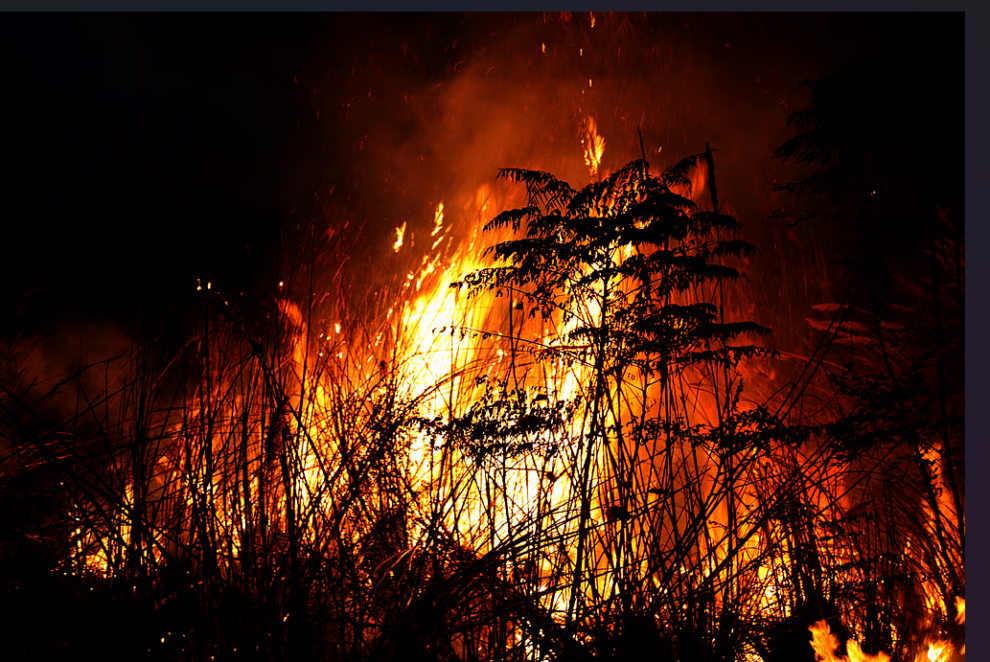

More than 150 million hectares of land burned globally between January and April 2026, the highest ever recorded for this period. The burned area was 50% higher than the recent average, almost double the figure for 2024, and 20% higher than the previous record set in 2020. Africa recorded the largest burned area, while Asia saw major wildfire outbreaks in India, China, Laos, Myanmar and Thailand. In Asia alone, around 44 million hectares burned in the first four months of 2026.
This is not a natural accident. Scientists link the crisis to rising temperatures, drought, changing rainfall patterns and escaped agricultural fires. In India, major outbreaks in Andhra Pradesh, Chhattisgarh and Madhya Pradesh occurred during very dry conditions, allowing agricultural fires to spread over larger areas. World Weather Attribution warned that climate change has already increased the global burned area by 15%, while annual potential burning hours increased by 36% between 1975 and 2024.
The danger is now becoming worse because a developing El Niño may bring hotter and drier conditions to many regions. Scientists warn that this can intensify fires, worsen air pollution, damage ecosystems and create serious health impacts, especially for children, elderly people and those with respiratory and heart diseases. The real lesson is clear: fossil fuel-driven global heating is turning forests, farms and grasslands into fire zones. Governments must stop delaying climate action, cut emissions rapidly, protect vulnerable communities and end policies that keep coal, oil and gas at the centre of development.