








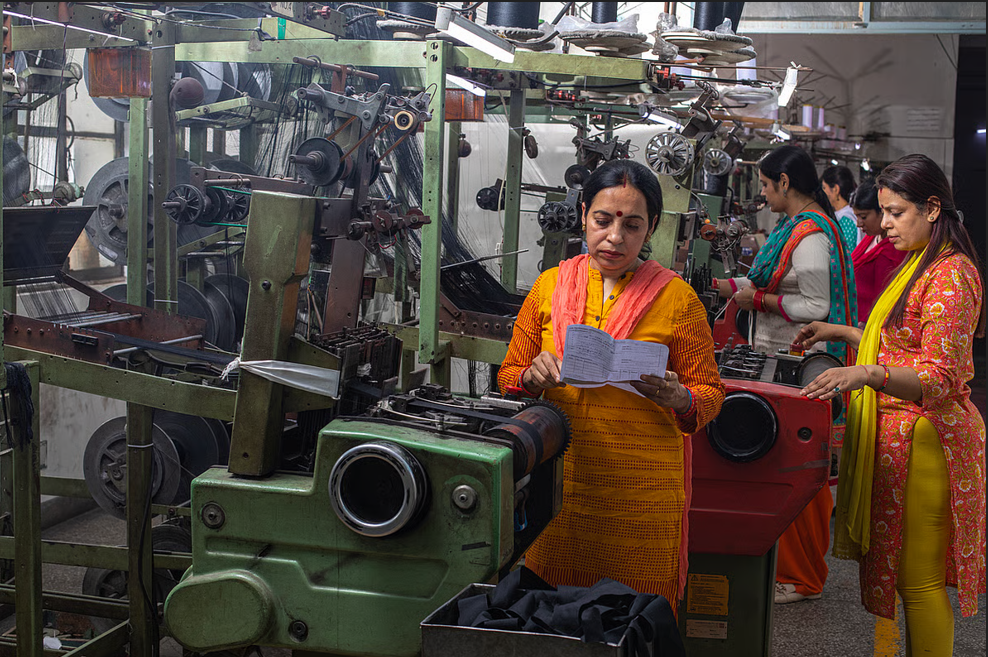

A new UNDP analysis reported by Down To Earth warns that the sovereign debt crisis in developing countries is deepening gender inequality on a massive scale. As governments are forced to divert public money towards debt servicing, spending on healthcare, social protection, welfare and public services is being squeezed. The burden of this crisis is falling disproportionately on women. Rising debt repayments could lead to the loss of 55 million women’s jobs in the short term and 92.5 million jobs in the long term when countries move from moderate to high debt burdens. Women’s per capita income is projected to fall by 17%, while men’s incomes are expected to remain largely unchanged.
This is not merely an economic problem. It is a social and gender justice crisis created by an unequal global financial order. Debt pressure, austerity and fiscal tightening are pushing women out of employment, reducing income security, weakening public health systems and threatening maternal survival. The report warns that reduced health spending could increase maternal mortality by 32.5%, equal to 67 additional maternal deaths per 100,000 births. Instead of protecting people, debt-driven policies are protecting creditors while millions of women lose jobs, income, healthcare and dignity.
The answer cannot be more austerity. Governments and international financial institutions must put employment, public services, care infrastructure, health systems and gender equality above debt repayment obsession. A development model that sacrifices women’s lives and labour to satisfy financial markets is unjust, anti-human and unsustainable.