






Across India, summer heat is no longer limited to scorching afternoons. A more dangerous crisis is unfolding after sunset: nights are refusing to cool. In many cities and towns, homes remain unbearably hot late into the night, fans circulate hot air, water from rooftop tanks stays warm even after midnight, and people are unable to sleep or recover from the day’s heat. This is not an ordinary summer discomfort — it is a warning that India’s climate, cities and economy are entering a new danger zone.
Hot nights are especially dangerous because the human body needs cooler night-time temperatures to recover from daytime heat stress. Without that recovery, risks of dehydration, cardiovascular strain, respiratory distress, heat exhaustion and mental stress increase sharply. The burden falls hardest on the poor, informal workers, elderly people, children and those living in dense, poorly ventilated houses with tin or asbestos roofs. While the wealthy can buy air-conditioning, millions are trapped in heat with no escape.
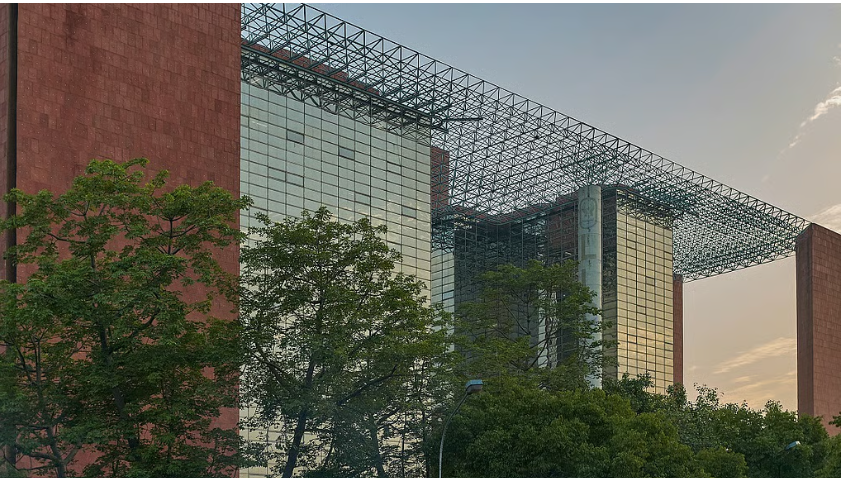
India’s urban model is worsening the crisis. Concrete, asphalt, glass, vehicles, diesel generators and air-conditioners turn cities into heat reservoirs. Trees are cut, wetlands are destroyed, lakes are encroached upon, and dense construction blocks airflow. This is climate change intensified by reckless urban planning and policy failure. India urgently needs second-generation Heat Action Plans, cool roofs, shaded public spaces, restored water bodies, labour protections, reliable public health systems, renewable energy and climate-resilient urban planning. Heat is now a public health, housing, labour and climate justice issue — and governments must act before every summer becomes a national disaster.