



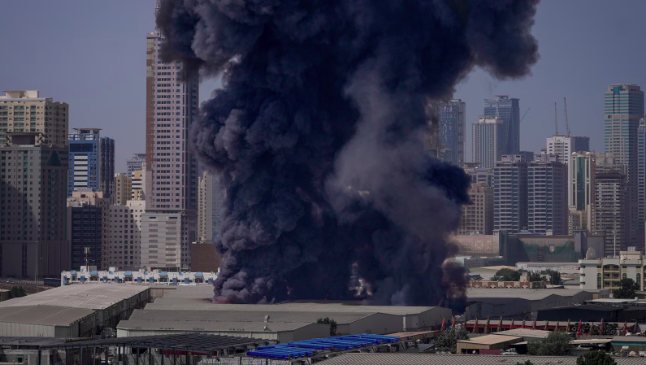

India is bracing for a severe economic and environmental shock as the escalating war in West Asia coincides with a forecast for a “hotter-than-normal” summer. With Brent crude prices swinging wildly—surging to $120 per barrel—and Iran’s threat to close the Strait of Hormuz, India’s energy security is under direct fire. Roughly half of the nation’s oil imports pass through this chokepoint, and gas rationing has already begun for industrial sectors.
Simultaneously, the India Meteorological Department (IMD) predicts heatwaves lasting up to two weeks longer than historical averages. This isn’t just a matter of discomfort; it is a direct threat to food security. Extreme “terminal heat stress” during the flowering stage can shrivel wheat crops, leading to slashed harvests and skyrocketing food prices. As the hottest days in India are now 1.5-2°C warmer than in the 1950s, these “compounding disasters” are becoming the new normal. We must move beyond ad hoc emergency measures and build systemic resilience to protect our most vulnerable communities from this climate-geopolitical intersection.