






Delhi once had harsh but dry summers. The hot winds were difficult, but sweat evaporated, mornings and evenings brought some relief, and nights cooled enough for the body to recover. That Delhi is now changing. Today, the city is facing humid, sticky and exhausting heat, with nights remaining oppressively warm. This is not merely a seasonal discomfort; it is a warning of how climate change and reckless urbanisation are reshaping Indian cities.
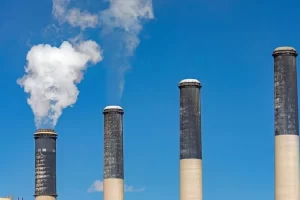
Global warming has raised baseline temperatures, while Delhi’s own development model is trapping and producing more heat. Concrete, asphalt, flyovers, glass buildings, parking lots and dense colonies absorb heat during the day and release it at night. Traffic, waste burning, diesel generators, construction, industries and air conditioners add more heat to the streets. The result is an urban heat island combined with rising humidity, making even 38°C humid heat more dangerous than 44°C dry heat.
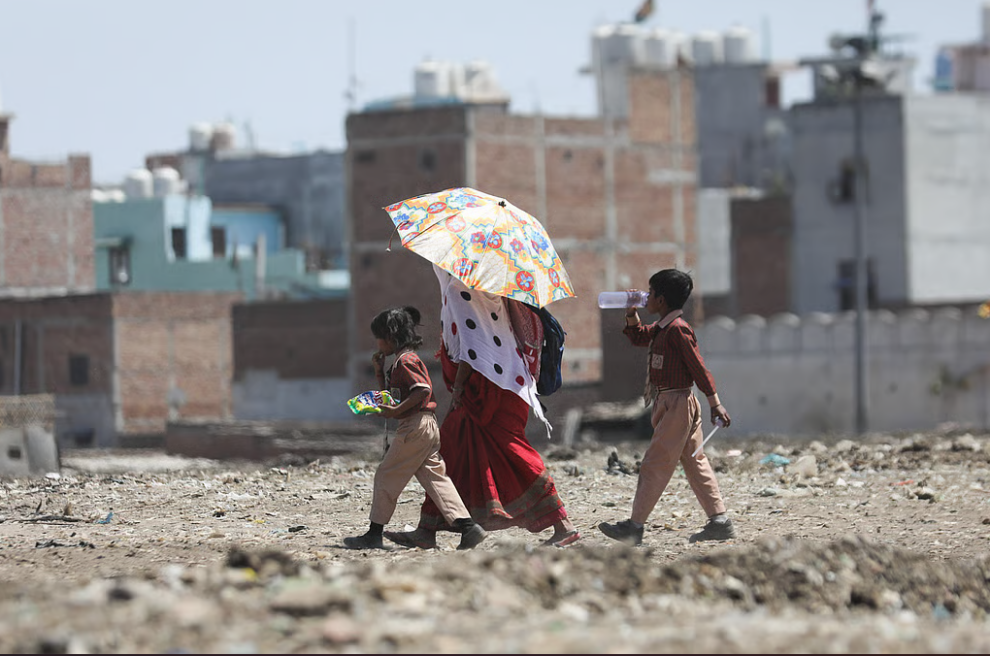
Delhi’s green cover may have increased on paper, but uneven and fragmented greenery cannot compensate for the destruction of wetlands, open spaces, soil cover and natural ventilation. The worst affected are outdoor workers, street vendors, delivery workers, sanitation workers, rickshaw pullers, elderly people, children and families without reliable electricity. Delhi’s summer has become a public health crisis produced by climate change, bad planning and inequality.
Indian cities cannot survive this path. We need serious emission cuts, protection of wetlands and water bodies, climate-sensitive urban planning, reduction of traffic and waste burning, and cooling systems that protect people rather than only private indoor spaces. Delhi’s humid heat is not just a weather story — it is a political and ecological warning.