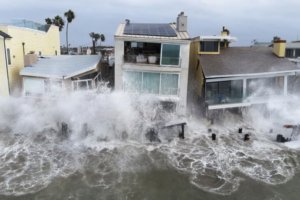






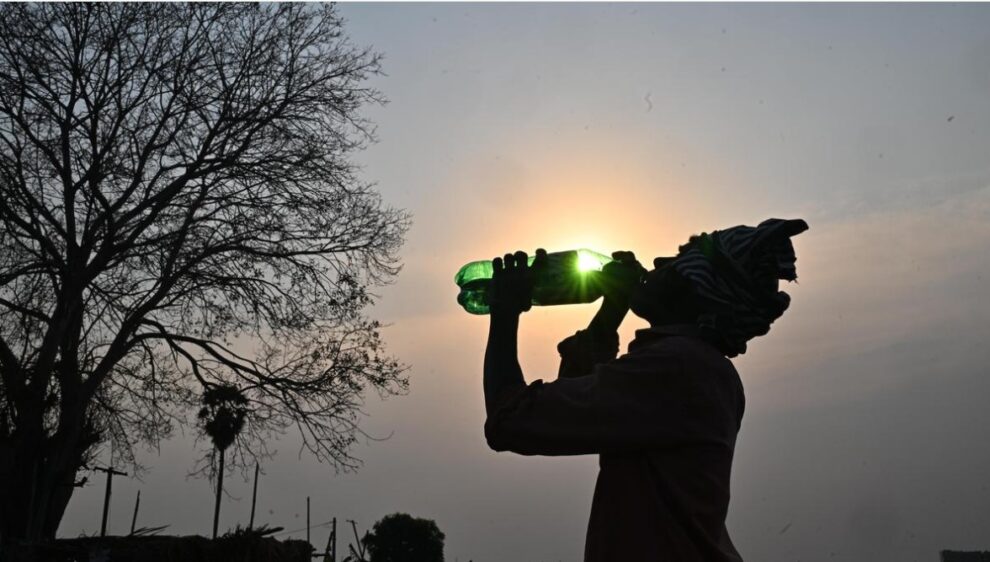

Climate change is no longer a distant environmental warning. In India, it has already entered the household budget. Rising temperatures, erratic rainfall, heatwaves and floods are pushing up food prices, electricity bills, water expenses and health costs. When crops fail or yields fall, rice, wheat, pulses and vegetables become costlier. When heat intensifies, families spend more on fans, coolers and air-conditioners. When water sources dry up, people are forced to depend on tankers or spend more time and money securing water.
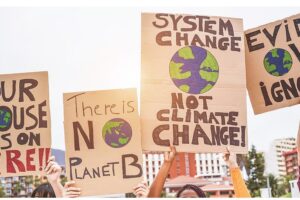
This climate burden is deeply unequal. Rich households may adapt by having better housing, cooling, private healthcare, and a secure water supply. Poor workers, farmers, women, informal-settlement residents and marginalised communities carry the highest cost. Climate change is therefore not only an ecological crisis. It is a cost-of-living crisis, a public health crisis and a social justice crisis. India needs climate-resilient agriculture, strong heat action plans, affordable public healthcare, water conservation, emission cuts and protection for vulnerable people.