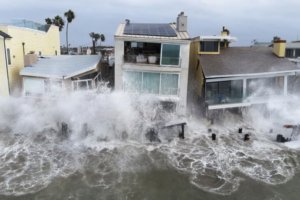






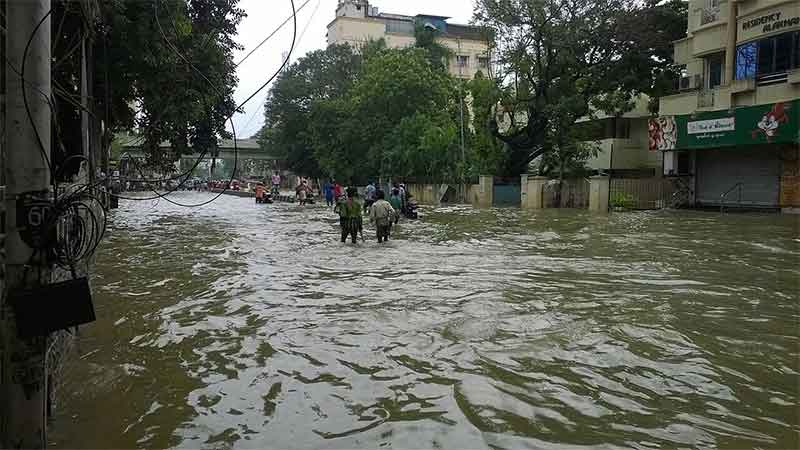

India’s climate crisis is not affecting everyone equally. Floods, heatwaves and disasters are striking hardest at communities already pushed into unsafe locations, insecure jobs and weak access to state relief. In Chennai’s Perumbakkam resettlement colony, built on low-lying marshland near the Buckingham Canal, around 21,000 families live in flood-prone tenements. The article notes that about 60% of Perumbakkam families are Dalit, while nearby Ezhil Nagar has nearly 70% Dalit residents. Many were shifted there after earlier floods, turning “rehabilitation” into another form of climate risk.
This is not accidental. Caste decides where people are forced to live, what work they are pushed into, and how much protection they receive during disasters. During heatwaves, Dalit and Adivasi workers are overrepresented in outdoor, informal and physically demanding labour such as construction, agriculture, sanitation and street vending. A 2025 study cited in the article found that heat stress exposure for marginalised caste groups is 25% to 150% higher than for dominant caste groups, even after controlling for income, education, age and geography.
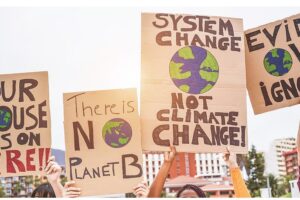
India’s climate policy still speaks vaguely of “vulnerable communities” without confronting caste directly. Without caste-disaggregated climate data, land rights, safe housing, occupational protection and targeted disaster relief, climate action will continue to benefit those already secure while the oppressed pay the price. Climate justice in India must also be caste justice.
🔗 Source: https://countercurrents.org/2026/05/indias-climate-crisis-has-a-caste-address/