







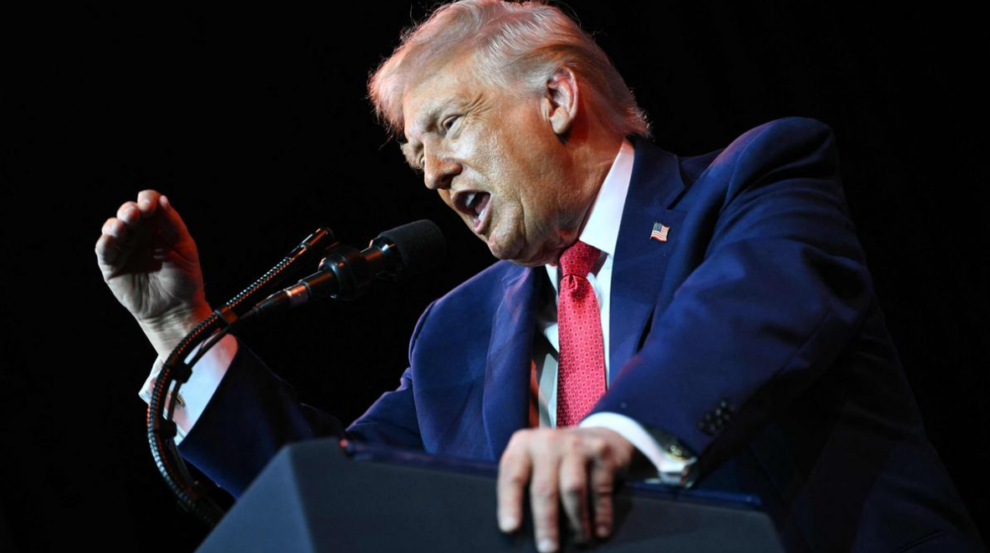

The United States’ decision under President Donald Trump to withdraw from the UN Framework Convention on Climate Change (UNFCCC) and disengage from the Intergovernmental Panel on Climate Change (IPCC) marks a dangerous retreat from global climate responsibility. By exiting the core framework that governs multilateral climate diplomacy, the U.S. effectively removes itself from the Conference of Parties process that shapes transparency rules, carbon markets, and climate finance architecture. This is not a symbolic move—it weakens collective accountability on emissions and undermines the very system designed to confront a man-made climate crisis.
The exit also threatens climate finance. The UNFCCC oversees mechanisms like the Green Climate Fund and Global Environment Facility, which are crucial for vulnerable countries. With the U.S. outside the system, it loses negotiating leverage while making it politically easier to withhold contributions. This retreat comes at a time when adaptation finance already falls far short of needs, estimated by the UN at $310–365 billion annually by 2035. Corporate-driven climate denial at the heart of U.S. policy now risks slowing global action and shifting the burden onto poorer nations, including India.


