









Major Shift in US Energy Policy: Wind & Solar Tax Cuts and Big Push for Nuclear Power
 The United States is witnessing a significant change in its energy policy, which could have global implications, including for India’s own energy and climate ambitions.
Wind & Solar Facing Setbacks
Recently, the US Congress introduced a bill that would immediately end the long-standing tax credits for wind and solar energy projects and impose a new tax on these renewables (Reuters, 2025). These tax credits have been crucial for the rapid growth of clean energy in the US since 2005. The new bill also accelerates the phase-out of manufacturing incentives for clean energy, putting billions of dollars in investments and thousands of jobs at risk. Industry experts warn this could slow down or even halt many new wind and solar projects and shift manufacturing to countries like China.
Nuclear Power Expansion
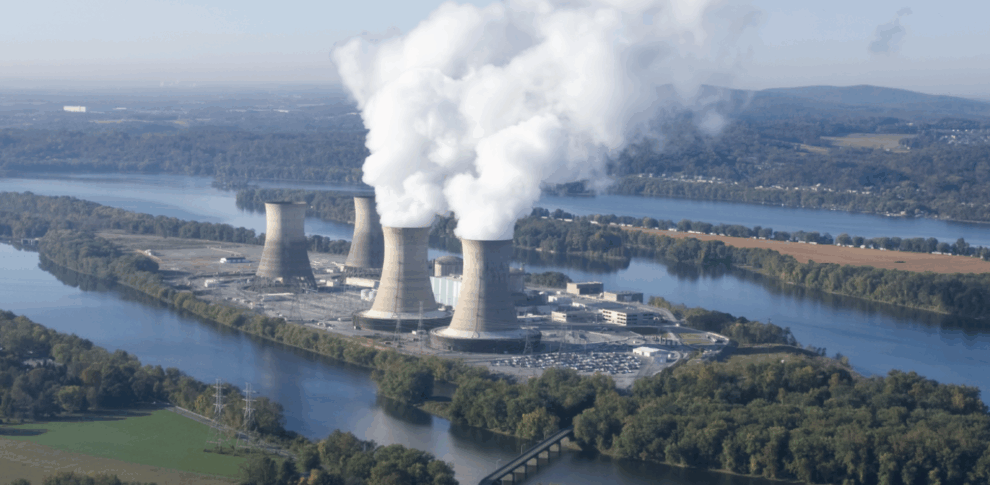
In contrast, the US government has announced an ambitious plan to quadruple its nuclear power capacity by 2050, aiming to reach 400 GW from the current 97 GW (Power Engineering, McGuireWoods, 2025). President Trump has signed executive orders to fast-track the approval process for new nuclear reactors, reduce bureaucratic delays, and boost domestic uranium production. This move is largely driven by the need for reliable, carbon-free electricity to meet the growing demand from new technologies like artificial intelligence and data centers.
What This Means for India and the World
-
Energy Mix: The US is shifting its focus from renewables to nuclear for future energy needs. This could slow down global progress on solar and wind, as the US is a major market and technology leader.
-
Climate Commitments: While nuclear is a low-carbon energy source, experts are concerned that reducing support for renewables may make it harder for the US—and the world—to meet climate goals.
-
Global Supply Chains: With less US investment in renewables, countries like India may face higher prices or slower access to new clean energy technologies.
-
Policy Lessons: India, which is aggressively expanding both renewables and nuclear, can watch these developments closely for lessons in balancing energy security, job creation, and climate action.
References
-
Reuters: “Senate bill hastens end of wind, solar tax credits and imposes new tax”
-
Power Engineering: “Trump signs executive orders to boost nuclear power, speed up approvals”
-
McGuireWoods: “Executive Orders Seek Resurgence of Nuclear Power in U.S.”
In summary: The US is reducing support for wind and solar while making a big push for nuclear power. This policy shift could influence global energy trends, including in India, especially as both countries strive to balance clean energy growth with reliable power supply and climate commitments.