




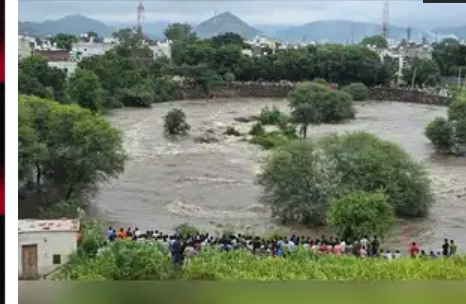

Intro:
When industrial effluents turn rivers into waste-channels, when regulatory bodies sit idle, and when citizens are left to deal with disease, crop loss, poisoned water—then courts must act. The Supreme Court’s suo motu notice of pollution in Rajasthan’s Jojari River exposes another failure of environmental protection in India: despite laws, despite agencies, despite promises, nature and people pay the price.
Body Points:
-
What the Supreme Court has said and done so far (the bench, the PIL, what is under scrutiny).
-
What is known about the pollution of the Jojari River? Which industries are involved? What kind of waste? What communities are affected?
-
Where regulatory oversight has failed: environmental clearances, enforcement, monitoring, and penalties.
-
The policy context: how current central/state regulatory frameworks allow corners; corporate externalisation of environmental costs.
-
Legal intervention is not enough unless systemic reform happens: stronger laws, tougher penalties, genuine community involvement, transparency, and independent monitoring.
Conclusion / Call to Action:
We must demand more than reaction—proaction. We must insist that polluters are held accountable, regulators are not just busy but effective, communities have rights to safe water and a healthy environment. Use the Jojari case as a litmus test: how serious is India about environmental justice, not just green-washing?
For more reading:
https://m.economictimes.com/news/india/supreme-court-takes-note-of-pollution-in-rajasthans-jojari-river/articleshow/123928510.cms?utm_source=chatgpt.com


