








1.
-
:
Climate change is making it increasingly difficult for meteorologists to accurately predict India’s weather with the same advance notice as before. The lead time for forecasting heavy rainfall has reduced from three days to about one and a half days. -
:
More frequent, intense, and longer heatwaves, especially in core zones of north and central India, and increased heavy rainfall events in peninsular and northeastern regions, are straining forecasting systems.
2.
-
:
-
Increased frequency of cyclones, floods, droughts, hailstorms, and landslides.
-
Greater risk to lives, infrastructure, and food supply chains.
-
Disruption of supply chains raises prices of fruits, vegetables, and other essentials, contributing to inflation.
-
-
:
-
Heat and water stress threaten crop yields and food security.
-
The 2024-25 Economic Survey warns of significant risks to agriculture and food security due to climate extremes.
-
3.
-
:
-
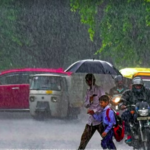
Since June 20, torrential rains in Himachal Pradesh have triggered cloudbursts, landslides, and flash floods.
-
At least 80 deaths, 38 missing persons, and over 120 injuries have been reported.
-
Widespread damage to homes, infrastructure, and agriculture, with thousands of homes and 3.2 million hectares of crops affected.
-
4.
-
:
-
Climate risks are increasing claims due to lightning-related deaths and property damage.
-
Insurers are facing higher payouts, which may impact the broader economy.
-
-
:
-
Disasters cause not only immediate loss of life and property but also long-term socio-economic disruption.
-
5.
-
:
-
The India Meteorological Department (IMD) has improved its forecast accuracy by 40-50% in the past decade through better observation systems, modeling, and early warning capabilities.
-
-
:
-
Despite improvements, the unpredictability caused by climate change continues to reduce the forecast window and complicate disaster preparedness.
-
6.
-
:
-
2024 has seen record numbers of extreme weather days, with 93% of days up to July experiencing some form of severe weather.
-
-
Warming Oceans and Cyclone Activity:
-
More severe cyclonic storms over the Arabian Sea have been observed, consistent with broader climate model predictions.
-
This structured explanation categorically highlights the main themes: the increasing difficulty of weather forecasting in India due to climate change, the direct and indirect impacts of extreme weather, recent disaster events, socio-economic implications, advancements and ongoing challenges in forecasting, and the broader climate trends observed in 20241.
-
-
- Link: https://www.livemint.com/news/india/climate-change-is-shrinking-india-s-weather-forecast-window-says-imd-chief-11751945726398.html
-


