




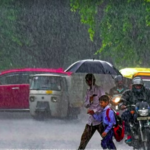




Delhi’s October skies have turned poisonous again. Ground-level ozone — a dangerous pollutant that triggers respiratory and cardiac diseases — has recorded its highest levels since 2020. This invisible killer forms when vehicular emissions and industrial fumes react under sunlight, turning the city’s air into a toxic cocktail. Scientists warn that such ozone spikes are becoming more frequent due to unregulated construction, weak public transport policies, and the government’s continued tolerance of fossil fuel dependence.
This isn’t just pollution — it’s policy failure. When the poor breathe poison, while elites drive SUVs and corporations profit from “growth,” it’s clear whose lungs are sacrificed. Yet, the state’s response remains cosmetic: “odd-even” drama and festival-season advisories, with no systemic shift toward clean mobility or reduced emissions. Delhi’s ozone emergency is a human-made crisis — and silence is complicity.


