








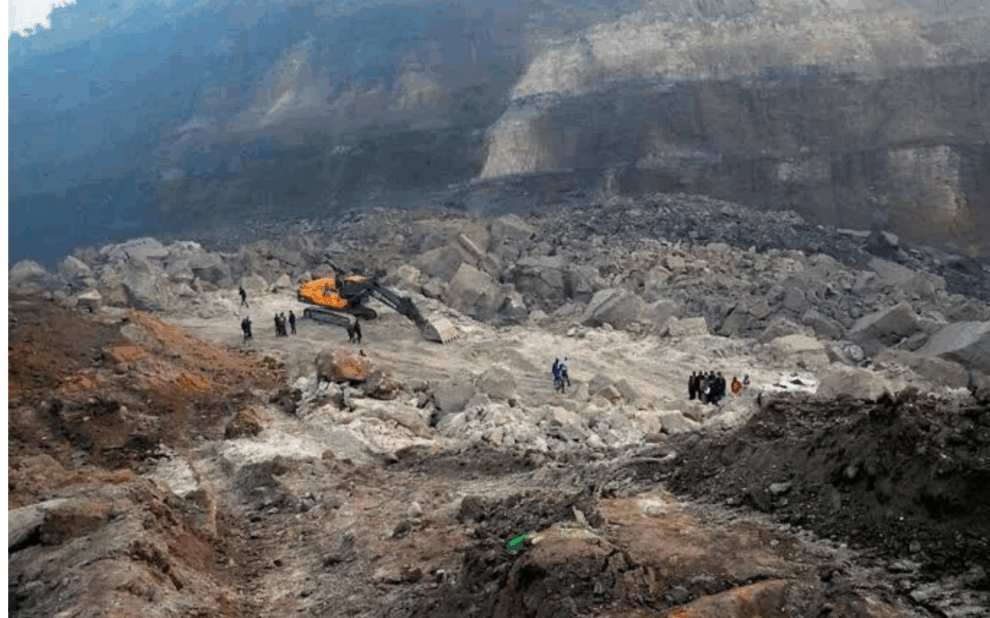

The Indian government’s recent policy change to exclude uranium and other strategic minerals from mandatory public consultations under the Mines and Minerals (Development and Regulation) Act has ignited fierce opposition in Meghalaya. (Northeast Today – Home)
What’s Changing
- On September 8, 2025, the Ministry of Environment, Forest and Climate Change (MoEFCC) issued an Office Memorandum that explicitly exempts atomic minerals (like uranium) from the public hearing requirement. (Northeast Today – Home)
- These public hearings were a legal safeguard for communities to be consulted about mining projects that could impact their lands, health, and environment. (Northeast Today – Home)
Why People in Meghalaya Are Alarmed
- Tribal rights and local self-governance: Uranium-rich areas in Meghalaya—especially Domiasiat, Wahkaji, and adjacent zones in the West Khasi Hills—are inhabited by indigenous communities. These communities have long resisted mining there due to concerns over health, ecological degradation, and loss of land. (Northeast Today – Home)
- Key local bodies and youth organisations including the National People’s Youth Front (NPYF), Hynniewtrep Youth Council (HYC), and Khasi Students’ Union (KSU) have warned that this policy shift undermines the tribal rights guaranteed under the Constitution (including the Sixth Schedule) and could lead to renewed attempts to restart mining projects. (Northeast Today – Home)
- There is also skepticism based on past experience: uranium mining projects in Meghalaya have remained suspended for over 20 years, largely because of unresolved health, environmental, and community consent issues. (Northeast Today – Home)
Why This Matters
- Environmental risk: Uranium mining brings with it significant risks—from radiation to heavy metal contamination—that could affect water, soil, and biodiversity.
- Health implications: Communities living close to uranium deposits are vulnerable to health hazards, especially if regulatory oversight weakens.
- Indigenous and legal rights: Exempting such projects from public hearings robs affected communities of voice, participatory rights, and potentially legal recourse.
- Governance and transparency: Removing public consultation can erode trust in both local and central institutions meant to protect environmental justice.
What’s Next
- Local tribal councils and youth organisations are calling for the invocation of the Sixth Schedule in Meghalaya, which gives stronger autonomy and protections to tribal regions. (Northeast Today – Home)
- Resistance from the ground is likely to intensify, especially if the policy is used to fast-track mining projects without community consent.
- Legal challenges or public interest litigation may be pursued, especially under environmental protection laws and statutes guaranteeing consultation and consent.
Meghalaya’s case underscores a broader tension in India: balancing strategic mineral interests with environmental justice, indigenous rights, and sustainable development. The removal of public hearings for atomic minerals lowers a key check on how mining affects communities.
For further reading:
Centre’s Uranium Mining Policy Sparks Concern In Meghalaya — Northeast Today


