








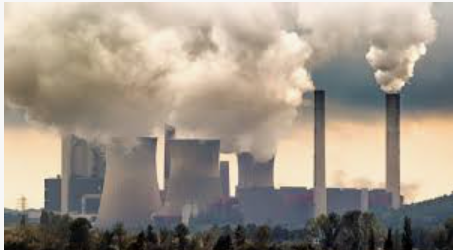

The recent easing of sulphur dioxide (SO₂) emission norms for coal-based thermal power plants in India is being viewed with increasing concern by environmental advocates and public health experts. The government’s decision to exempt nearly 78% of coal plants from installing flue gas desulphurisation (FGD) devices—a proven technology for substantially reducing SO₂ emissions—raises critical questions about the balance between economic priorities and the need for environmental protection.
Indian coal, primarily sub-bituminous and low in sulphur, does contribute to lower SO₂ emissions compared to many international counterparts. However, this coal also has reduced carbon content and energy density, requiring power plants to burn greater quantities per unit of electricity, thereby increasing CO₂ emissions and resulting in significant ash generation. The SO₂ produced through combustion contributes to acid rain, damages ecosystems, and negatively impacts human health, especially when transformed into fine particulate matter that exacerbates respiratory and cardiovascular diseases.
Pre-combustion controls such as fluidized bed combustion and integrated gasification combined cycle present effective ways to reduce emissions efficiently. Nonetheless, flue gas desulphurisation remains the prevalent post-combustion technology worldwide. While FGD installations are capital-intensive and can marginally decrease overall plant efficiency—a major factor behind recent exemptions—such decisions carry the risk of ongoing air quality deterioration and related public health challenges.
India’s regulatory approach factors in meteorological conditions that aid pollutant dispersion, and studies indicate ambient SO₂ levels remain within limits in many areas even in the absence of comprehensive FGD deployment. Yet, coal plants continue to represent major SO₂ emission sources, impacting vulnerable regions and communities. Delayed or incomplete adoption of pollution controls could further degrade public health and local ecosystems at a time when stronger climate action is urgently required.
For a detailed exploration of SO₂ emissions, coal quality, pollution control technologies, and India’s regulatory framework, see Dr. Arunangshu Das’s article in the Indian Express.


