

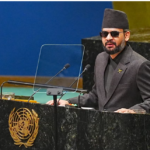



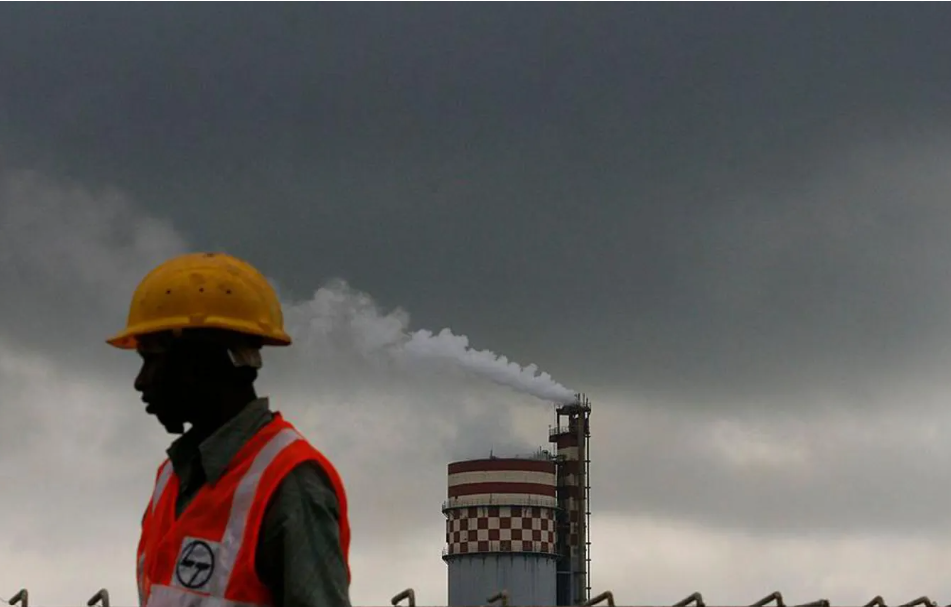

At COP30 in Belém, as the climate crisis accelerates and global emissions soar, India — the world’s third-largest carbon polluter — has arrived without its updated Nationally Determined Contribution (NDC). Nearly 120 countries have filed their new plans. India has not. And the delay has triggered global scrutiny, especially when international scientific assessments already label India’s current climate action as “worryingly inadequate.” Delhi argues that rich nations who have profited from centuries of extraction and emissions must finally deliver meaningful finance and technology support before demanding higher ambition from the Global South.
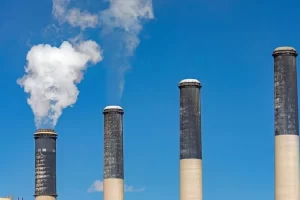
But behind the scenes, another reality cannot be ignored: India’s energy system remains deeply locked into coal, with 75% of electricity still coming from it. New coal blocks continue to be auctioned even as global temperature projections hurtle toward a catastrophic 2.8°C. While India highlights its achievements in renewable capacity, the government’s close ties with coal and corporate lobbies raise serious concerns about whose interests shape national climate policy — people or polluters.
Source link:
https://www.bbc.com/news/articles/cy8v8k8mlego