






Two-thirds of Punjab’s Tyre-to-Fuel Units Lack Air Filters — A Regulatory Collapse
A state pollution board inspection reveals gross non-compliance at tyre pyrolysis plants — exposing communities to toxic emissions while regulators and industry look the other way.

This episode is not merely an operational lapse; it is a policy failure. The central guidelines and Standard Operating Procedures (SOPs) issued by the Central Pollution Control Board (CPCB) require rigorous emission controls, safe gas handling, and proper disposal or utilisation of by-products. That two-thirds of inspected units are out of compliance suggests weak enforcement, political tolerance for polluting industries under the guise of waste management, and insufficient regulatory capacity at both state and central levels.
Why this matters:Operators choosing to run without essential pollution control equipment prioritise short-term profits over public health. Chronic exposure to emissions from mismanaged pyrolysis can cause respiratory illness, skin and eye irritation, and long-term harms including cancers associated with PAHs.
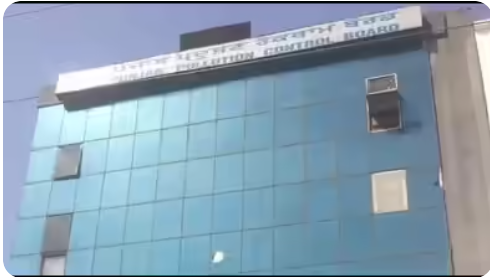
Corporate behaviour deserves scrutiny. The PPCB has issued notices; that is necessary but insufficient. Notices without rapid remediation, suspension of dangerous operations, or prosecution where laws are breached will not prevent further harm. Communities in industrial belts are the human victims of this regulatory paralysis — and groundwater contamination from improper char disposal adds another layer of risk for agriculture-dependent households.
The Union government’s approach to industrial permitting and “ease of doing business” must not become a fig leaf for environmental neglect. Policies that fast-track permits, grant retrospective environmental clearances, or lack transparent public monitoring create an environment where corners are cut and harms multiply. If India’s environmental oversight remains reactive rather than preventive, the costs — health, ecological and economic — will fall disproportionately on marginalised populations.
Immediate steps are clear: enforce CPCB standards strictly, mandate independent third-party audits, close non-compliant units until they install functioning control systems, and publish inspection findings transparently. Longer term, regulators must reassess whether certain pyrolysis technologies are appropriate for densely populated regions and promote safer alternatives for tyre waste management.
Punjab’s PPCB action is welcome but partial. The pattern exposed is national: policy and corporate laxity producing toxic consequences. If regulators and policymakers fail to act decisively now, they will have sealed the fate of communities whose health is being traded for the convenience of unregulated industrial profit.