






Understanding Climate Change – Key Points from the BBC Report
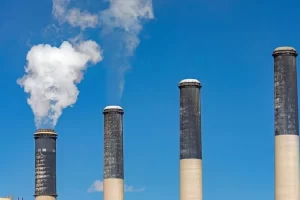
Climate change is described as the long-term shift in Earth’s average temperatures and weather patterns, which has accelerated in recent decades primarily due to human activity. The burning of fossil fuels—such as coal, oil, and gas—releases greenhouse gases like carbon dioxide (CO₂) into the atmosphere, trapping heat and increasing global temperatures.
Highlights from the BBC Article
-
Rapid Warming: The planet is experiencing fast-rising temperatures, with recent years setting new records for heat.
-
Human Causation: Although Earth’s climate varies naturally, scientific consensus confirms that human practices like the use of fossil fuels mainly drive current rapid warming.
-
Severe Impacts: Potential consequences include more frequent extreme weather events, rising sea levels that endanger millions, degradation or loss of critical ecosystems (like coral reefs), and increased risks of poverty and food insecurity for hundreds of millions globally.
-
Tipping Points: Scientists warn that surpassing certain temperature thresholds could trigger abrupt or irreversible environmental changes, such as rapid melting of the polar ice sheets.
-
Global Inequity: Vulnerability to climate change is particularly high among populations in poorer regions, even though these communities have contributed less to greenhouse gas emissions.
Importance of Action
Limiting the rise in global temperatures—most notably capping warming at 1.5°C as agreed in the 2015 Paris Agreement—is considered critical to reducing the worst risks posed by climate change. Immediate and sustained global efforts are essential to protecting people and the planet.
For further reading, see the original BBC article:
https://www.bbc.com/news/articles/c9w15nggj58o