





1.
-
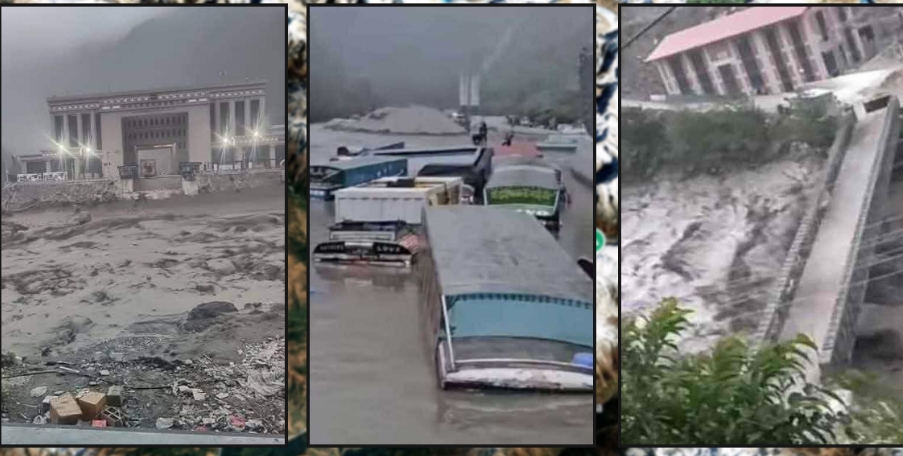
A devastating flood struck Nepal’s Rasuwa district after midnight, traced to a permafrost collapse in the upper catchment of the Lhende River, originating in Tibet.
-
The flood destroyed infrastructure, including the Nepal-China friendship bridge at Rasuwagadhi.
2.
-
:
-
Permafrost is permanently frozen terrain (rock, snow, soil) that remains below 0°C year-round.
-
Even minor rainfall or temperature increases can destabilize permafrost, causing sudden floods or landslides.
-
In this event, a section of permafrost collapsed into the river, triggering the flood.
-
3.
-
The Lhende River and its tributaries are fed by multiple glaciers in Tibet and Nepal.
-
The region hosts at least seven glacial lakes on the Tibetan side and one in Nepal, making it highly sensitive to melting and collapse events.
4.
-
:
-
Increasing global temperatures and consistent rainfall have been destabilizing permafrost that had remained stable for decades.
-
Warm precipitation and higher temperatures accelerate permafrost melt, sometimes causing underground erosion and surface collapse (thermokarst).
-
-
:
-
Similar permafrost-induced floods have occurred recently, such as in Thame, Solukhumbu, where a glacial lake burst after permafrost melted.
-
5.
-
:
-
Only light rainfall was recorded in the 24 hours before the flood, but temperatures at the Kyanjin Glacier Center rose slightly, enough to destabilize permafrost.
-
Satellite data confirmed no significant rainfall or cloud cover at the flood’s origin at the time of the event.
-
6.
-
:
-
The government’s response was criticized as slow, with warnings about climate risks in the Trans-Himalayan region having gone unheeded.
-
-
:
-
Geohazard experts noted that even minimal warming or brief showers can trigger major disasters in the Himalayas due to the fragile frozen ground.
-
7.
-
:
-
Nepal’s river systems are increasingly vulnerable to floods originating from glacial and permafrost sources in Tibet.
-
The frequency and severity of such events are rising due to climate change, affecting not only the high mountains but also downstream valleys and plains.
-
-
:
-
The Himalayan region, once shielded from monsoon rains by mountain ridges, is now experiencing increased rainfall and melting, further elevating flood risks.
-
This categorical breakdown highlights the scientific, climatic, and socio-political dimensions of the permafrost collapse and subsequent flood, emphasizing the urgent need for climate adaptation and disaster preparedness in Himalayan regions1.