






Extreme Heat in Delhi-NCR: Categorical Explanation
1. Current Situation
-
Temperature Surge: Delhi and surrounding NCR areas are experiencing extreme heat, with temperatures soaring above 45°C. On June 12, New Delhi recorded a heat index as high as 51.9°C1.
-
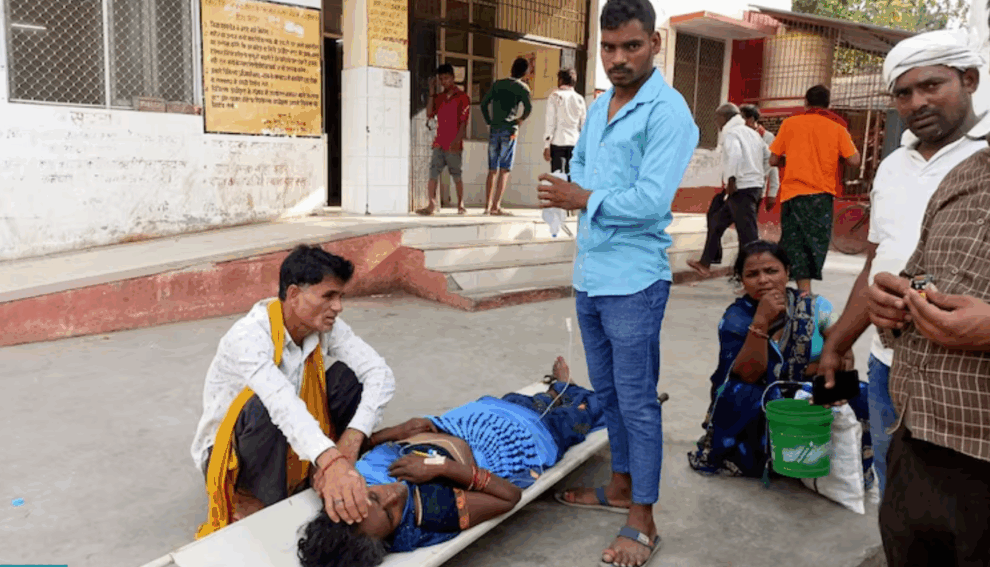
Hospital Impact: Hospitals are flooded with patients suffering from heat-related illnesses, and outpatient departments (OPDs) have seen a significant increase in cases over the past few days1.
-
Geographical Spread: The Indian Meteorological Department (IMD) has issued red alerts for Delhi, Haryana, Punjab, and Rajasthan due to severe heatwave conditions1.
2. Health Impact
A. Types of Heat-Related Illnesses
-
Mild to Moderate Symptoms: Many patients present with dehydration, mild fever, and extreme exhaustion due to heat exposure1.
-
Severe Symptoms: Some cases escalate to heat stroke, which is life-threatening if not treated promptly1.
B. Common Symptoms
| Illness Type | Symptoms |
|---|---|
| Heat Exhaustion | Heavy sweating, weakness, dizziness, nausea, headache, muscle cramps1 |
| Heat Stroke | High body temperature, confusion, rapid pulse, potential unconsciousness1 |
| Dehydration | Thirst, dry mouth, reduced urination, fatigue1 |
-
Vulnerable Groups: Elderly patients are especially at risk and have been admitted in critical condition1.
3. Expert Insights
-
Dr. Sanchayan Roy (Apollo Spectra Hospital, New Delhi): Reports nearly 30 patients daily with mild and moderate heat-related symptoms, including dehydration and mild fever. There is a marked increase in cases ranging from mild dehydration to severe heat stroke1.
-
Dr. Arvind Aggarwal: Emphasizes that heat exhaustion is common, but heat stroke is the main concern due to its potential to be life-threatening if neglected1.
4. Broader Risk
-
District-Level Risk: Weather experts warn that about 57% of Indian districts are facing high to very-high heat risk, which could have a massive impact on public health1.
Summary: The extreme heatwave in Delhi-NCR has led to a surge in heat-related illnesses, overwhelming hospitals. Symptoms range from mild dehydration to severe, life-threatening heat stroke, with elderly individuals most at risk. The situation is part of a broader regional crisis, with over half of Indian districts at high risk due to the ongoing heatwave1.